Home

Ocean Freight
Why is Supply Chain Visibility so Important?
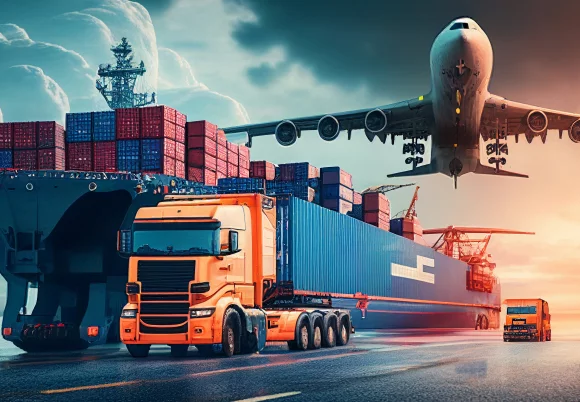
The maritime logistics industry is experiencing unprecedented transformation driven by technological innovation, environmental regulations, and changing global trade patterns. As we navigate through 2025, several key trends are reshaping how cargo moves across the world's oceans.
The integration of digital technologies continues to revolutionize maritime operations. From IoT sensors monitoring cargo conditions in real-time to AI-powered route optimization, technology is making shipping more efficient and transparent than ever before.
Blockchain technology is gaining traction for its ability to streamline documentation processes and enhance supply chain transparency. Smart contracts are reducing administrative overhead and eliminating intermediaries, resulting in faster, more cost-effective transactions.
While fully autonomous commercial vessels remain years away from widespread adoption, significant progress is being made. Several pilot projects have demonstrated the viability of remote-controlled and partially autonomous ships for specific routes and cargo types.
The benefits are compelling: reduced crew costs, enhanced safety through elimination of human error, and optimized fuel consumption through AI-driven navigation. However, regulatory frameworks and cybersecurity concerns must be addressed before autonomous shipping becomes mainstream.
Environmental regulations are driving the industry toward greener operations. The International Maritime Organization's (IMO) ambitious targets for reducing greenhouse gas emissions are pushing shipowners to invest in cleaner technologies.
Alternative fuels such as LNG, methanol, and hydrogen are being tested and deployed. Wind-assisted propulsion systems are making a comeback with modern technology, and electric vessels are becoming viable for short-sea shipping routes.
Recent global disruptions have highlighted the importance of supply chain resilience. Companies are diversifying their shipping routes, building redundancy into their logistics networks, and investing in predictive analytics to anticipate and mitigate disruptions.
Smart ports are leveraging technology to improve efficiency and reduce congestion. Automated container handling, digital twin technology, and integrated port management systems are reducing vessel turnaround times and improving overall throughput.
The maritime logistics industry stands at an inflection point. Those who embrace innovation, sustainability, and digital transformation will be best positioned to thrive in this evolving landscape. At Avencio, we're committed to staying at the forefront of these developments, ensuring our clients benefit from the latest advances in maritime logistics.